%3Aquality(80)&w=3840&q=75)
%3Aquality(80)&w=3840&q=75)
%3Aquality(80)&w=3840&q=75)
%3Aquality(80)&w=3840&q=75)
%3Aquality(80)&w=3840&q=75)
Specialty materials
Support for non-everyday materials
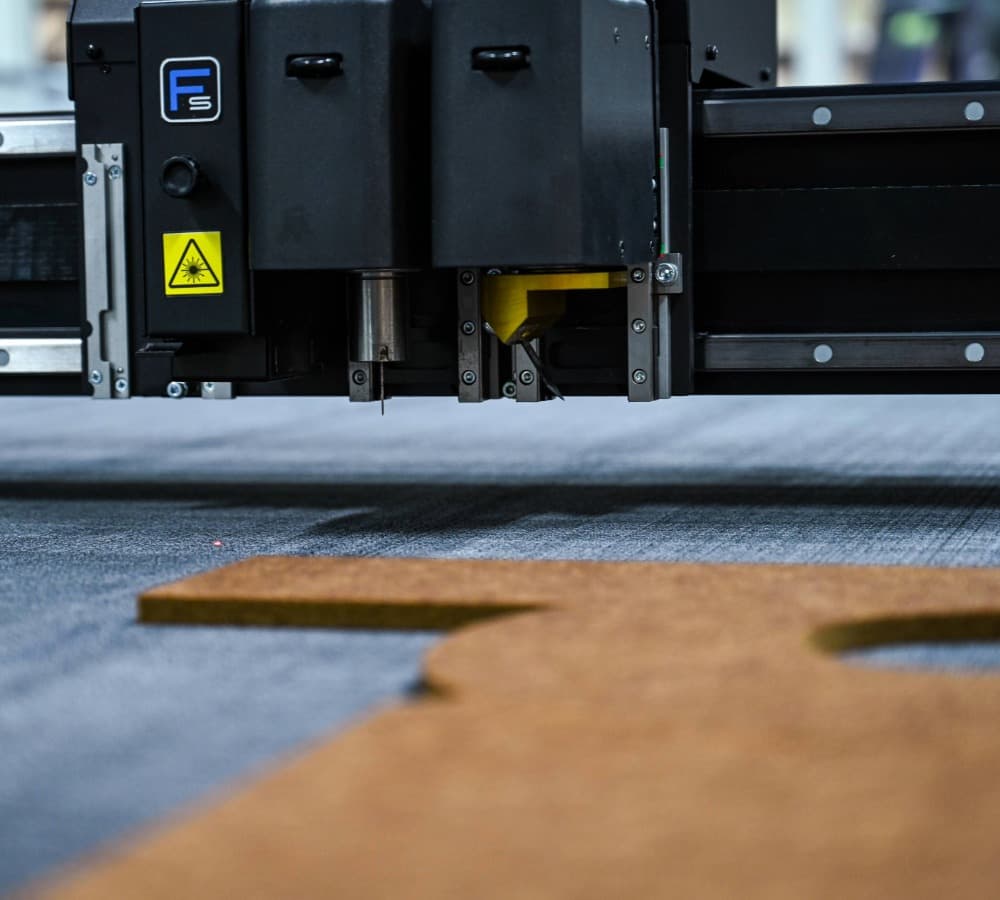
Most cutting tables spend their days on common substrates. Yours might not. If you work with materials like aluminum, felt, reflective films, PPF, DTF films - or even leather, rubber, carbon fiber or Kevlar – you know the total volumes might not be the highest, but that doesn’t lower the stakes. We design our tools, modules and workflows so that when you do cut these materials – whether once a day or once a month – the machine behaves like it was built for them.
Cutting excellence
Choosing the right cutting technique & tool
%3Aquality(75)&w=3840&q=75)
Cutting excellence
Specialty board materials
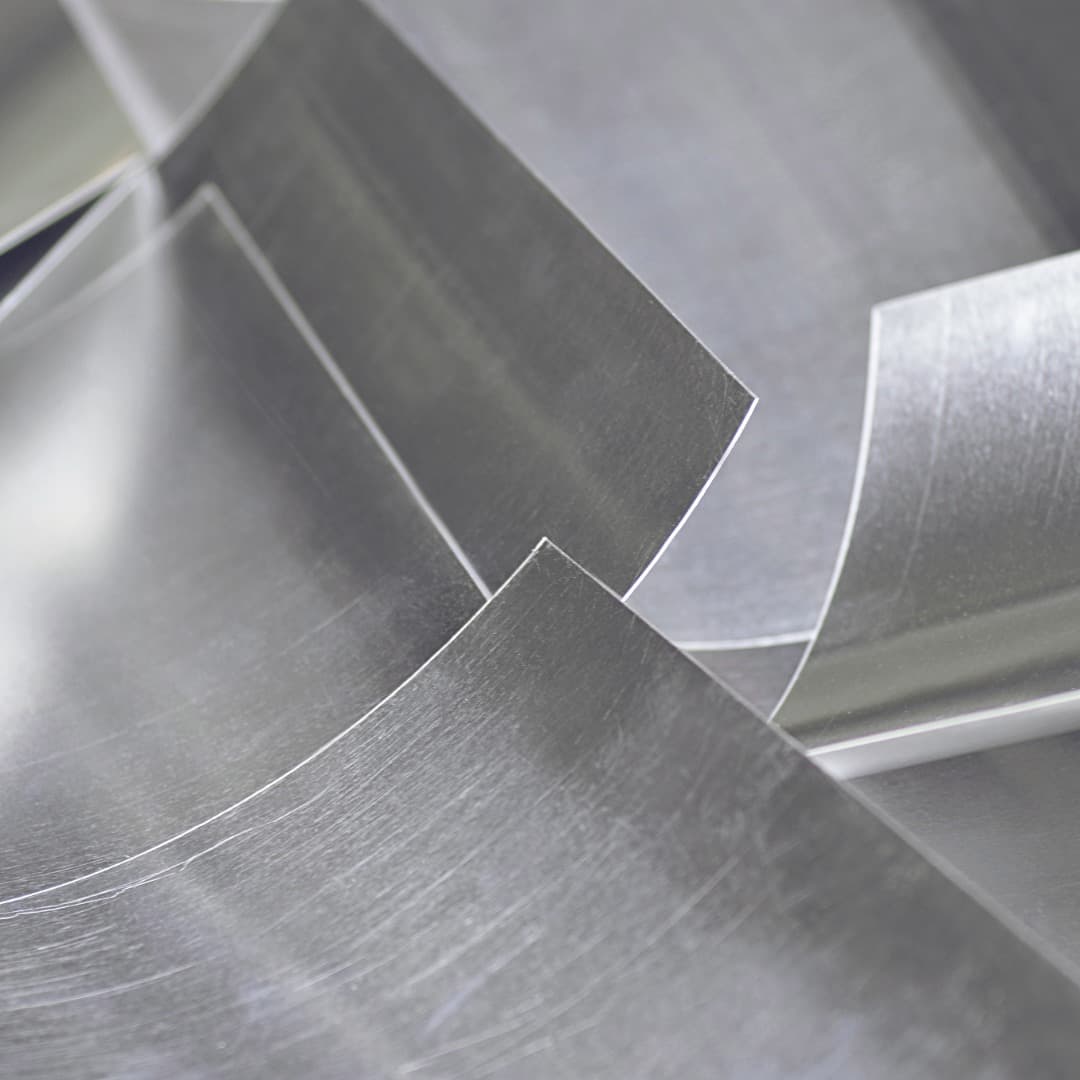
Aluminum
Used for premium plaques, rulers, rigid signage and decorative elements. Requires slow, stable routing and dedicated bits. Runs cleanly on the F Series. Use the HF Router module with specialized aluminum bits.
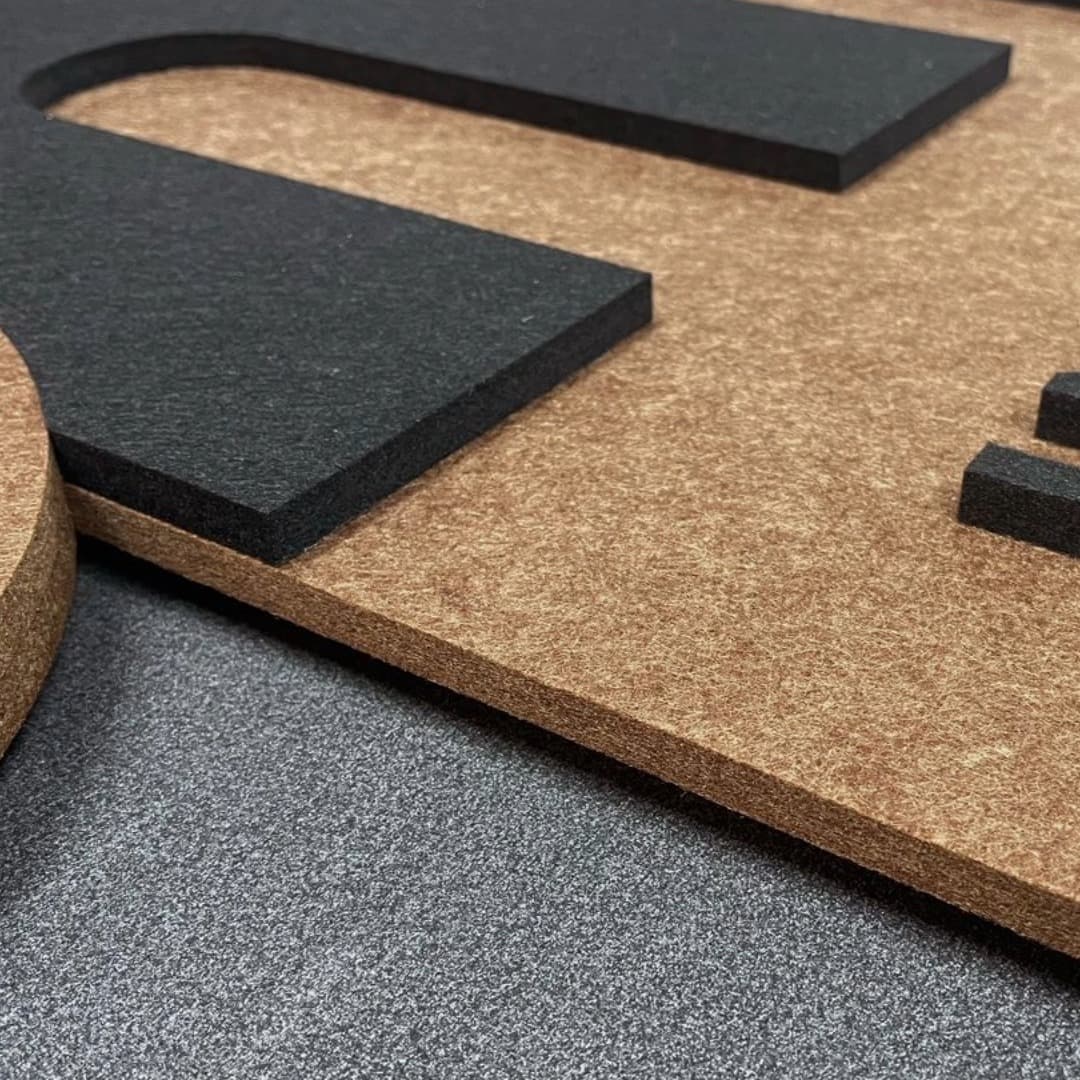
Felt
Used for structural décor, inserts and stand alone display elements. Soft to the touch, rigid in shape, and sensitive to tearing. Runs well on F Series or V Series. Use Core+ with POT, V Cut (straight line only) or Bevel Cut, depending on form.
Cutting excellence
Specialty flexible materials
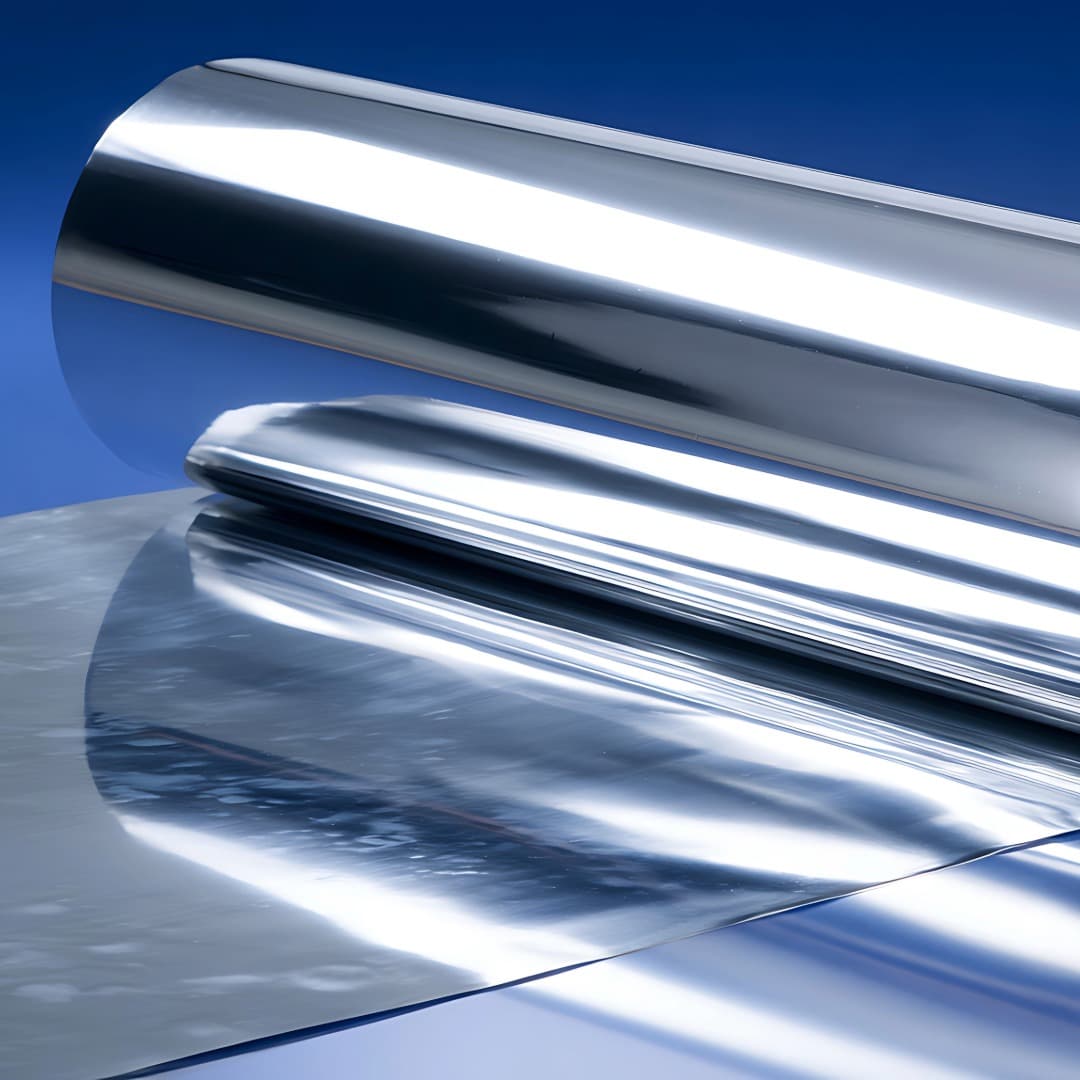
Reflective Roll
Used for traffic signs, safety markings and high visibility graphics. Dense microprismatic layers demand firm, consistent pressure. Runs accurately on the F Series (and S3T in future). Use Fast+ / Core+ with kiss cut or high precision cutout tooling.
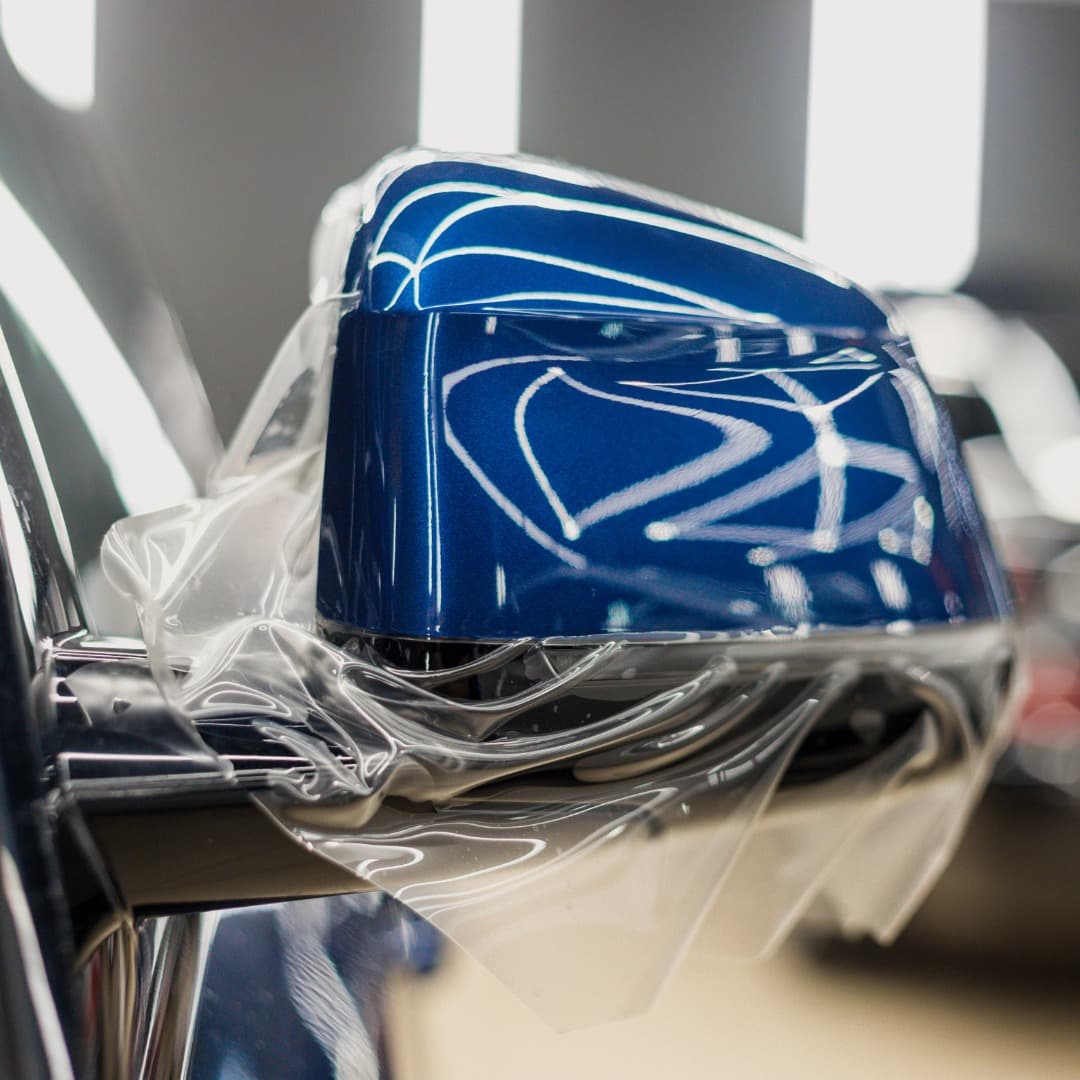
PPF (Paint Protection Film)
Used in automotive protection and high precision wrap applications. Stretch sensitive and pressure reactive. Runs best on the S Series or F Series. Use Fast+ / Core+ with the kiss cut or high precision cutout tool for clean outlines.
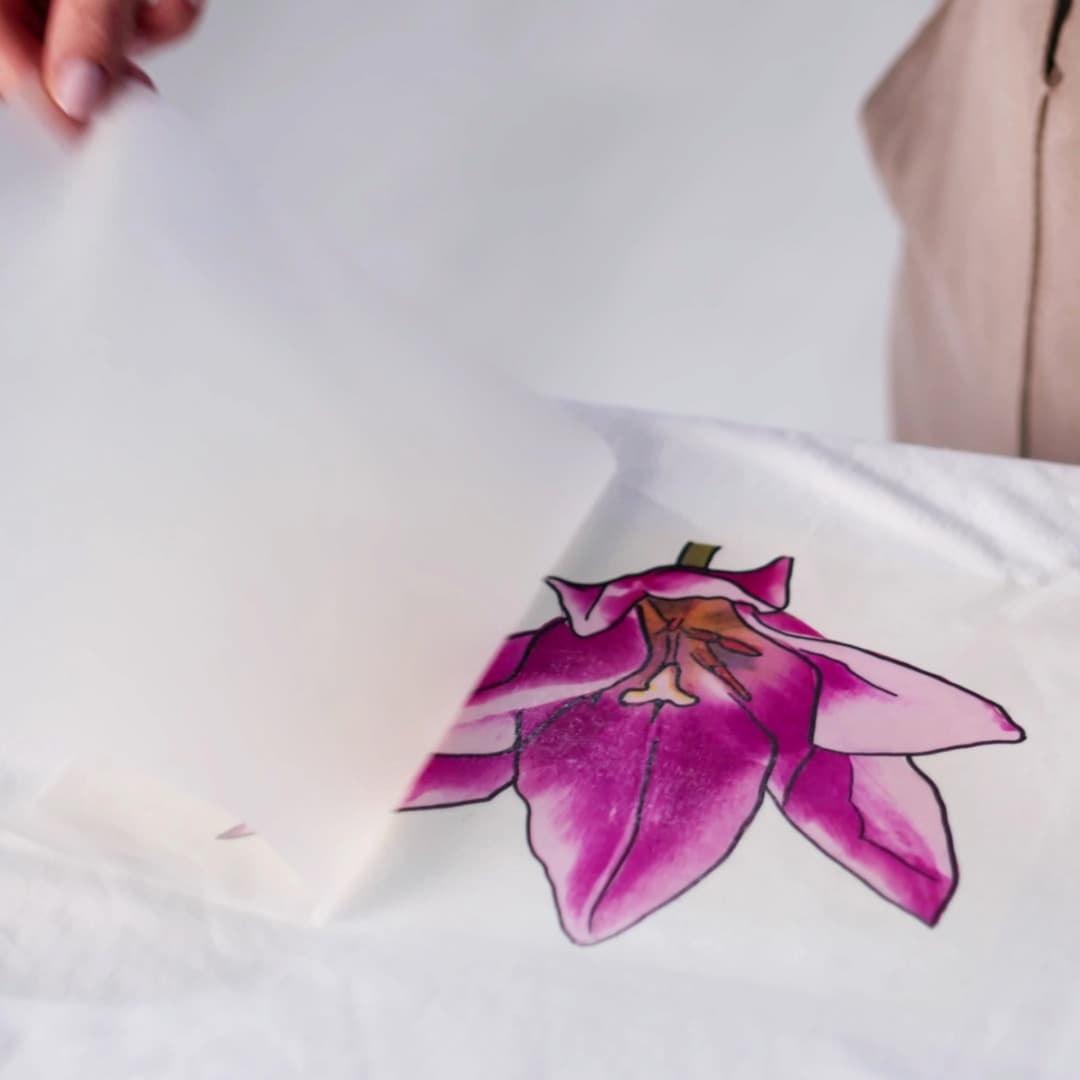
DTF Film
Used for heat transfer graphics in apparel and specialty items. Thin and accurate, requiring clean contour definition. Runs best on the S3 or supported F workflows. Use the appropriate kiss cut tooling for thin films.
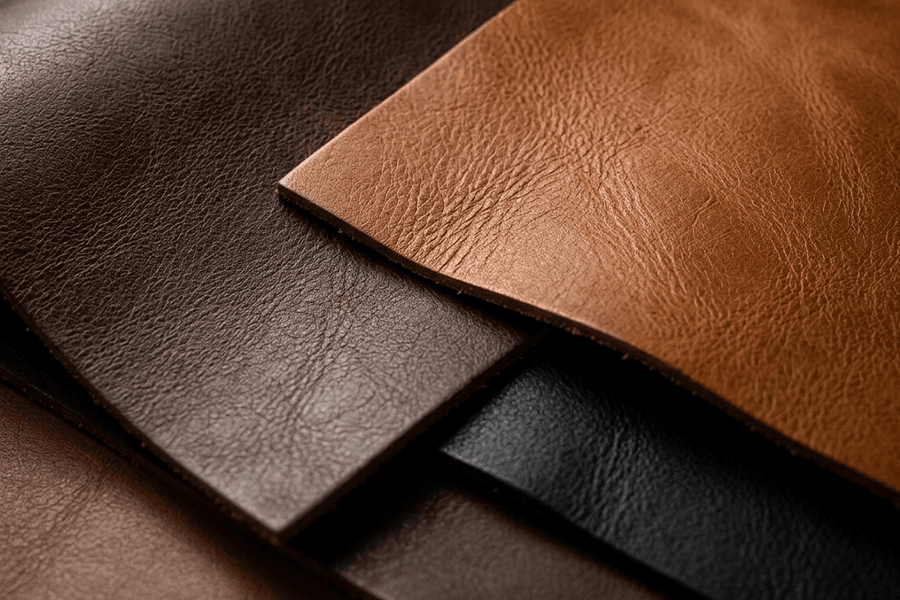
Leather
Used for premium upholstery, luxury packaging, fashion details and automotive interiors. Dense yet supple, with natural grain that can stretch or scar under the wrong pressure. Ideal for short run customization and high value pieces. Use Core+ with a POT for controlled through cuts, or kiss-cut tooling for surface details and perforations.
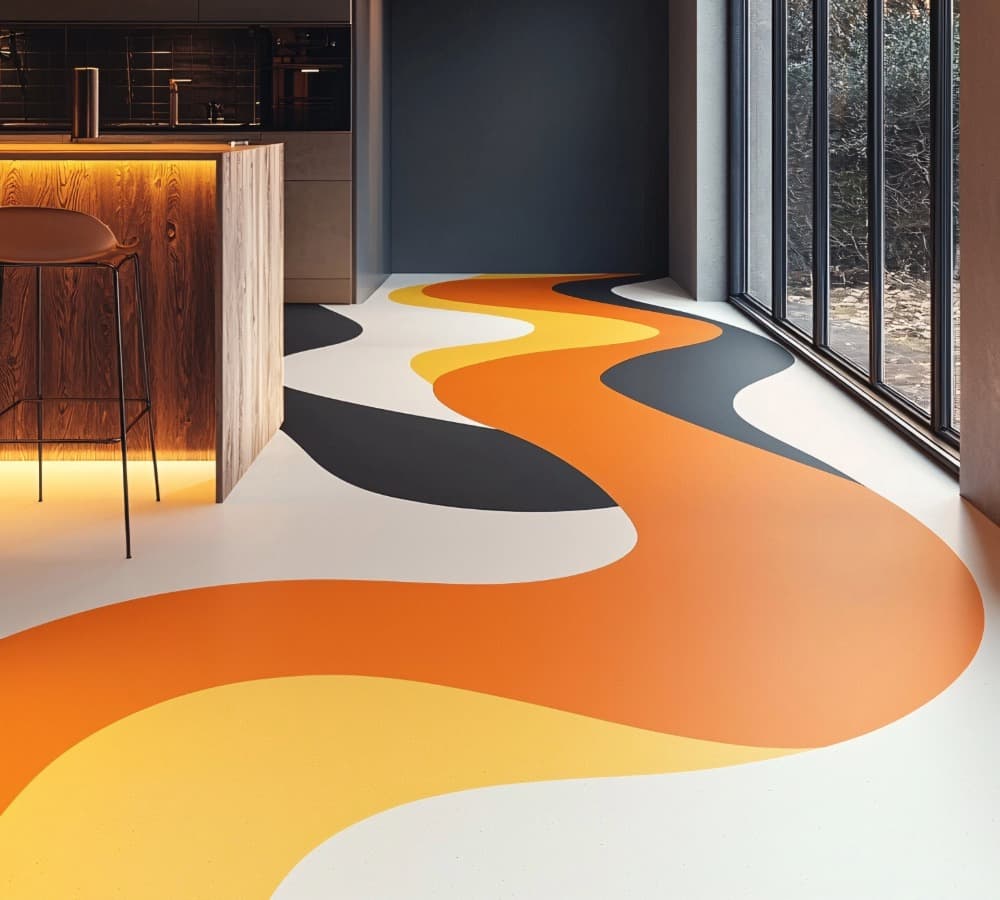
PVC
Used for banners, tarpaulins, floor graphics and technical covers. Can drift under heat and static, and can deform when over clamped. Needs steady handling to keep edges clean and dimensions true. Runs well on S Series and F Series. Use Fast+ / Core+ with kiss-cut for printed PVC films, or a POT on F Series tables for thicker sheet PVC.
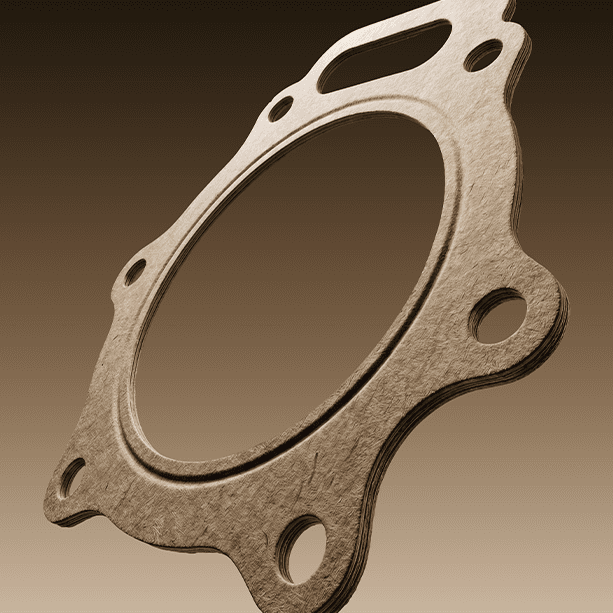
Gaskets
Used for sealing, insulation and vibration control in industrial assemblies. Often cut from foams, rubbers and fiber reinforced sheets with tight tolerances. Scrap and rework are costly when assemblies sit at the end of the value chain. Runs best on the F Series. Use Core+ with POT or dedicated Rigid material cutout tool to keep holes, slots and outer shapes perfectly aligned.
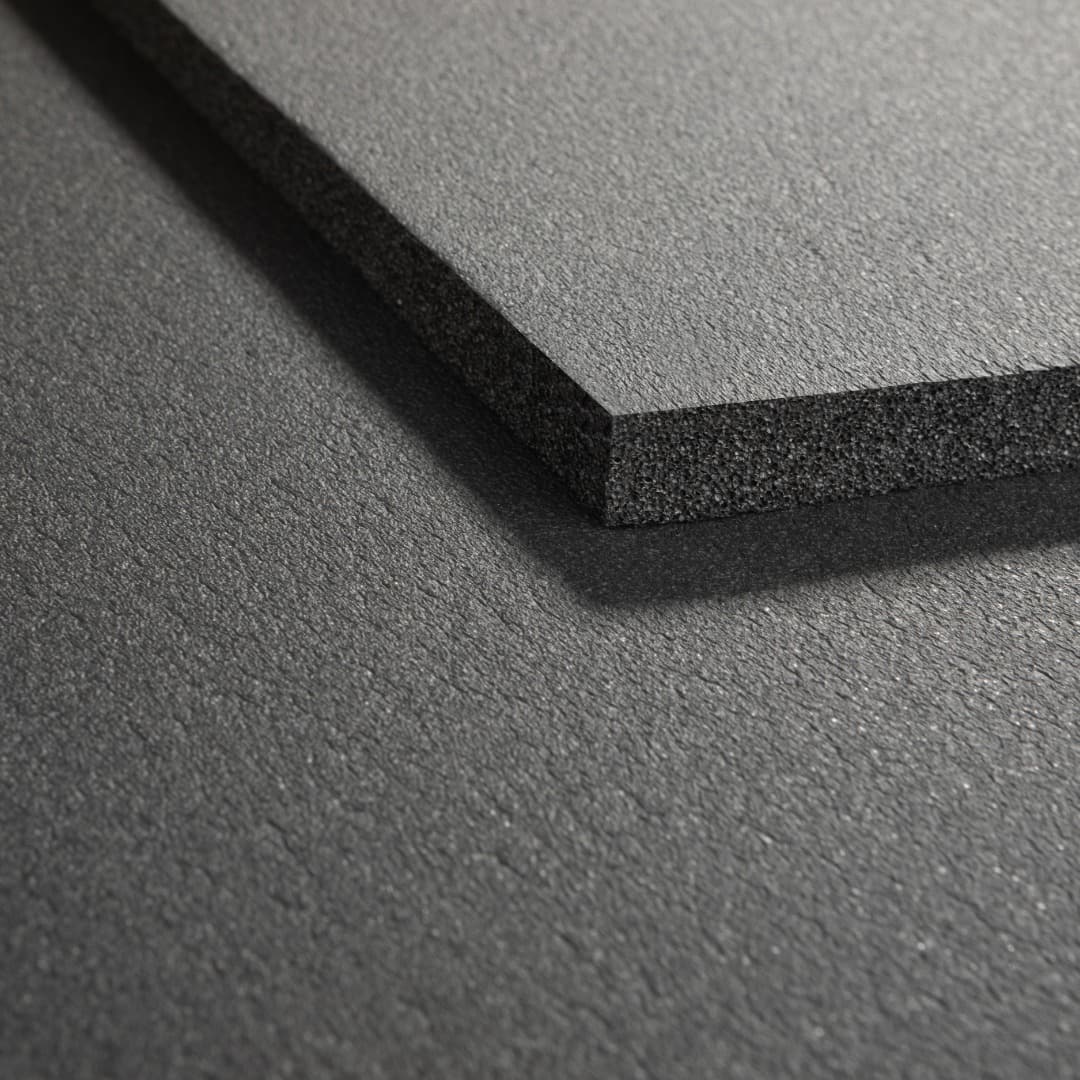
Rubber
Used for mats, seals, protective pads and impact resistant parts. Grips the surface, resists clean penetration and can drag blades off path. Demands firm hold down and deliberate, steady cutting. Runs best on the F Series. Use Core+ with a POT for dense rubber sheets, or the HF Router module for thicker, high durometer composites where routing is more stable than knife cutting.
Cutting excellence
Specialty composite and technical materials
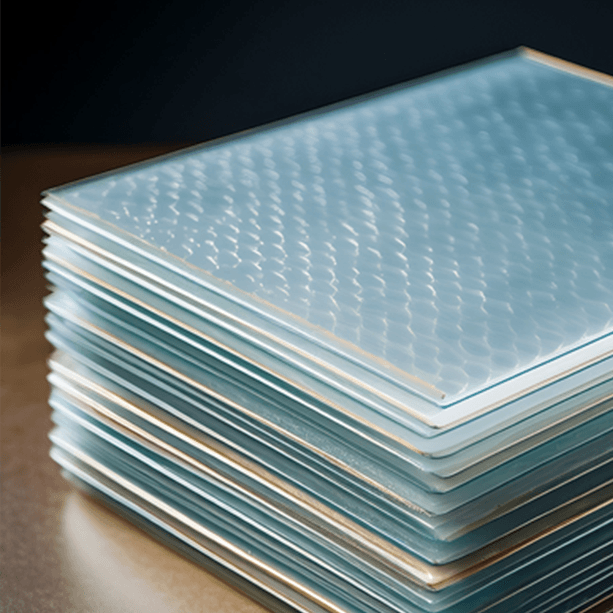
Glass fiber
Used for structural panels, protective covers and technical components. Abrasive to tools, prone to edge fraying and dust generation when cut poorly. Requires controlled passes and the right tooling to protect both parts and operators. Runs best on the F Series. Use the HF Router module to route clean edges, or a POT for thin glass fiber laminates where a knife is sufficient.
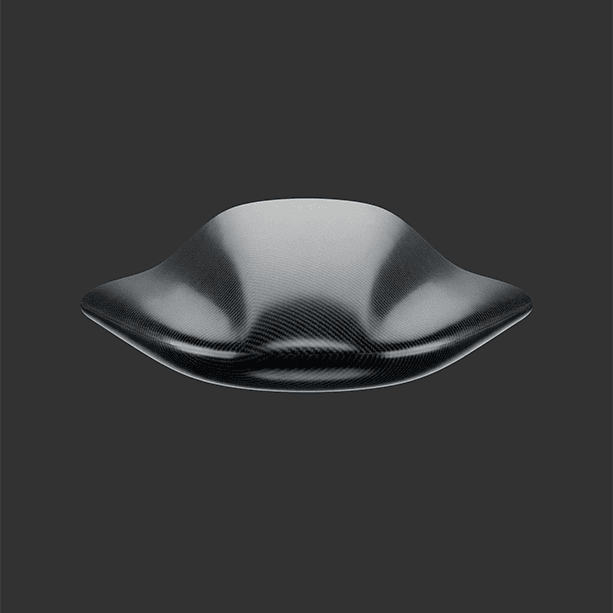
Carbon fiber
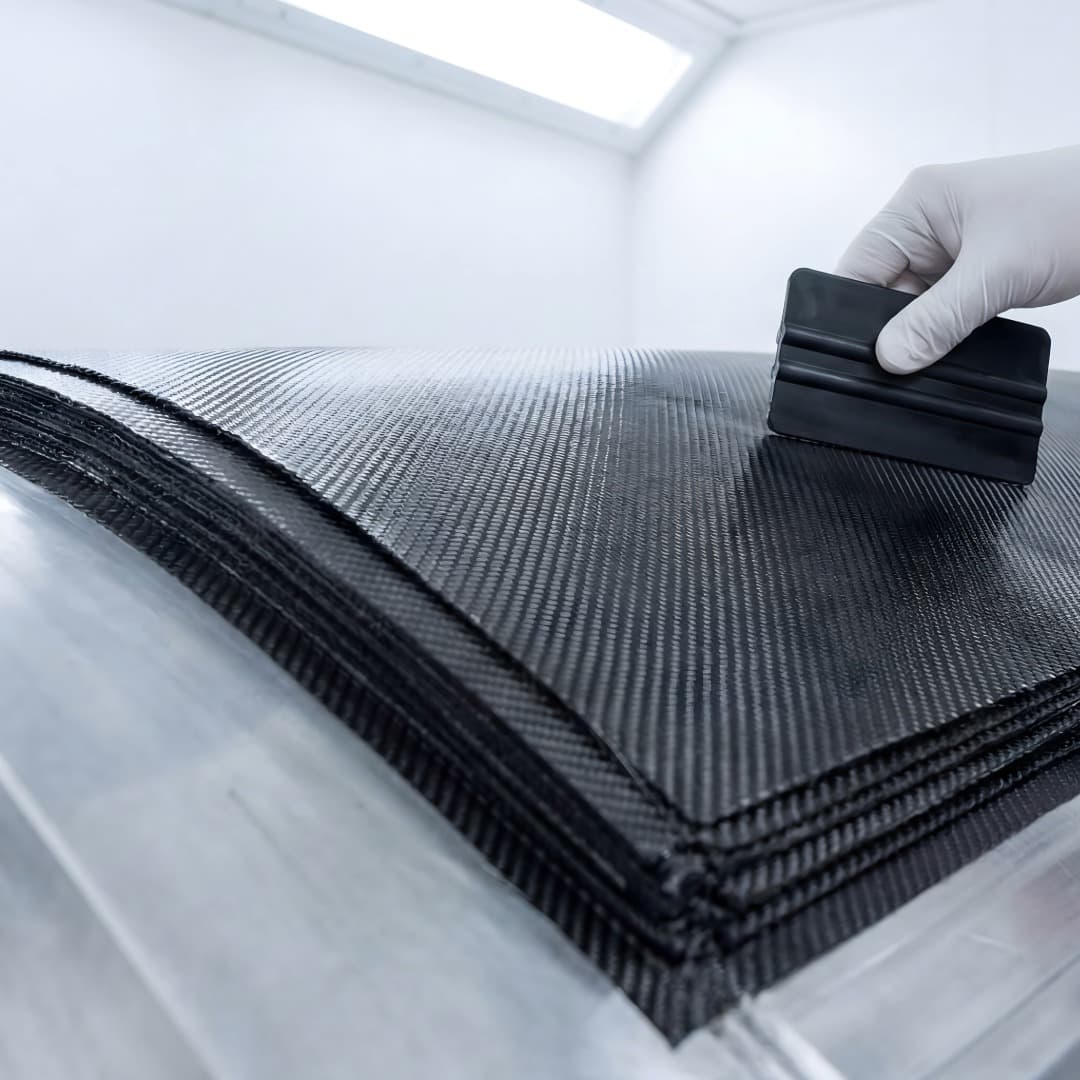
Used for lightweight structural parts, fixtures and performance components. Brittle yet strong, with fibers that can chip or delaminate if mishandled. Cut quality directly affects part strength and finish. Runs best on the F Series. Use the HF Router module to secure clean contours and reduce delamination, especially on cured laminates and panels.
Prepreg
Used for lay up plies in composite manufacturing before curing. Tacky surfaces and embedded fibers make manual cutting slow and inconsistent. Accuracy at this stage determines how well each ply nests and performs in the mould. Runs best on the F Series. Use Core+ with a POT for uncured prepreg stacks on release liners, pairing controlled pressure with precise motion to preserve fiber alignment and part geometry.
Products
Excellence across 4 product lines
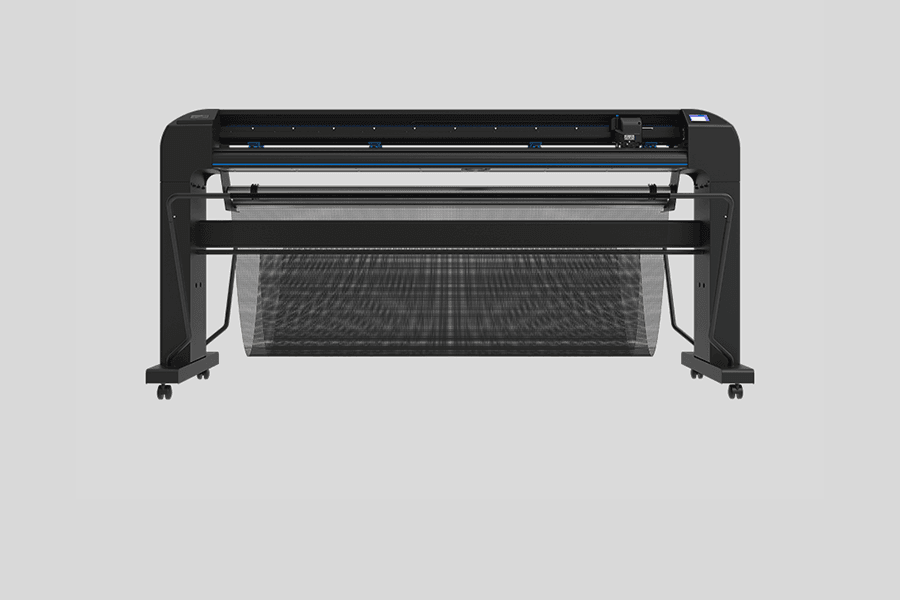
S Series
Vinyl cutters
High-end contour cutting accuracy for printed graphics on vinyl and soft-sheet materials.
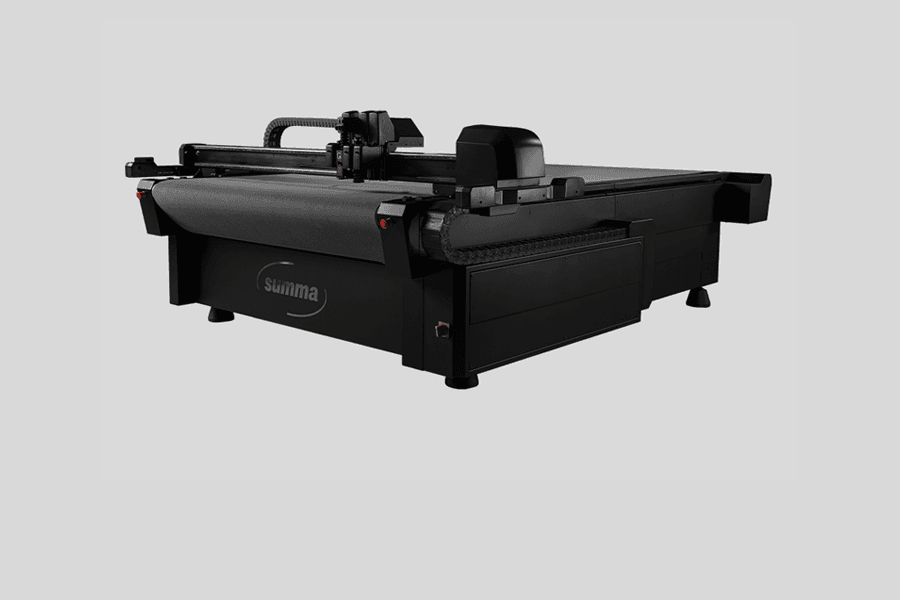
F Series
Flatbed cutters
High-performance digital flatbed cutters for industrial, signage, packaging and textiles.
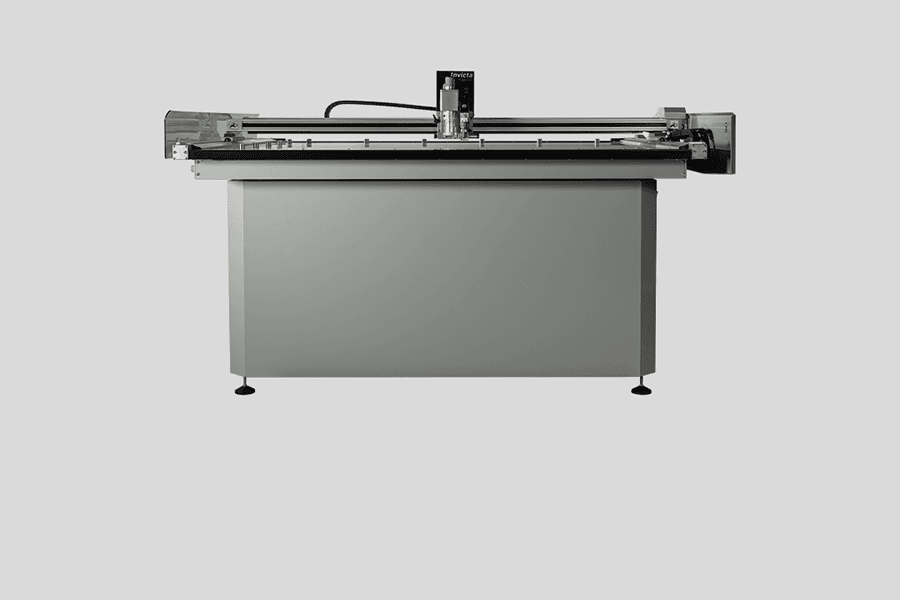
V Series
Flatbed cutters
Known for their versatility and precision for sign, print and packaging
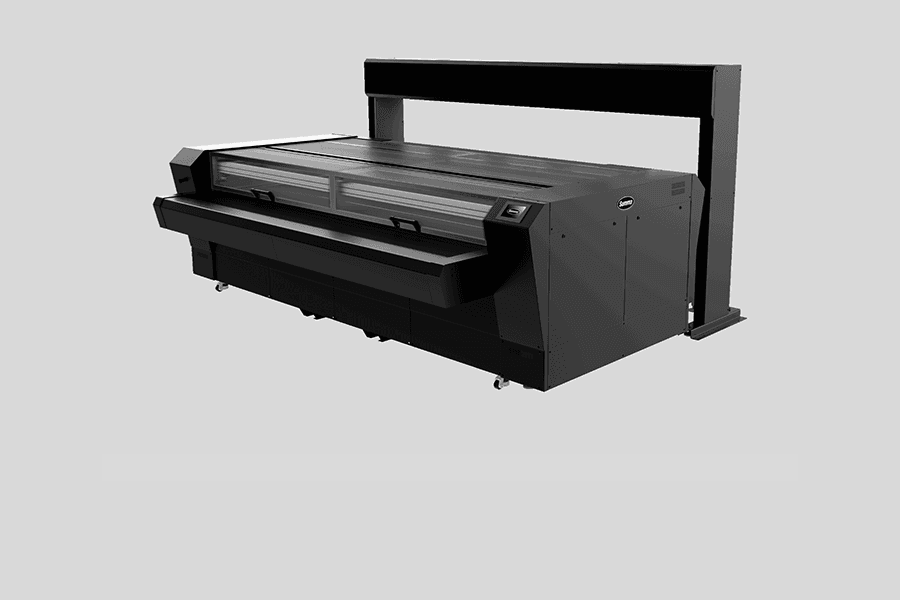
L Series
Laser cutters
Advanced laser cutting for soft signage, printed fabrics and textiles.


